
 Türkçe
 Deutsch
 Français

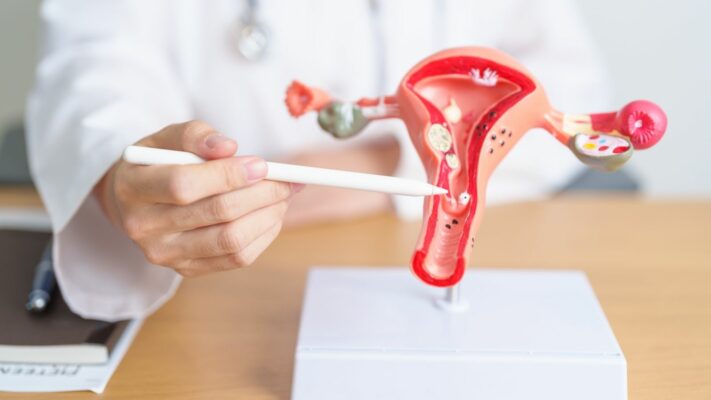
Obstetrics and gynecology is the medical specialty that examines the health of the female reproductive system, pregnancy, childbirth, and postpartum changes. Gynecology encompasses conditions affecting the uterus, cervix, ovaries, fallopian tubes, vagina, and external genital organs. Obstetrics focuses on the health of the mother and baby from the beginning of pregnancy through the postpartum period. These two fields address changing healthcare needs at different stages of life within a shared framework. Hormonal development beginning in adolescence, menstrual patterns during the reproductive years, physiological adaptation during pregnancy, and changes associated with menopause are all part of this scope. Sexual health, fertility, family planning, and gynecological symptoms affecting quality of life are also among the fundamental aspects of women’s health.
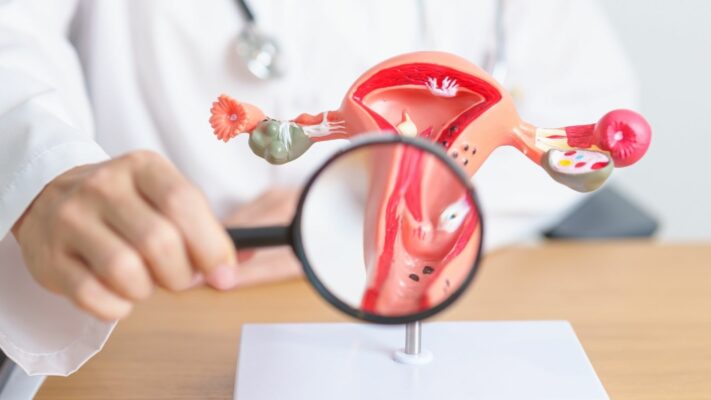
The organs of the female reproductive system have different functions. The ovaries are structures in which egg cells develop and hormones involved in reproductive processes are produced. The fallopian tubes provide the pathway along which the egg cell moves toward the uterus; fertilization usually occurs in these tubes. The uterus is the muscular organ in which the embryo implants and the baby develops during pregnancy. The endometrium, which lines the inner surface of the uterus, changes throughout the menstrual cycle under the influence of hormones. The cervix connects the uterus to the vagina. The vagina and the external genital region are anatomically distinct structures. The close proximity of these organs to the bladder, intestines, and pelvic floor explains why certain symptoms may involve more than one system. For example, pain in the lower abdomen does not occur exclusively in conditions affecting the reproductive organs; it can also arise from conditions involving the urinary tract and intestines.
The significance of symptoms in women’s health may vary depending on the stage of life. While menstrual patterns may take time to become established during the early years of adolescence, pregnancy, hormonal changes, stress, and certain conditions can affect bleeding patterns during the reproductive years. During pregnancy, the enlargement of the uterus, changes in hormone levels, and the circulatory system’s adaptation to new requirements lead to various physical changes. After childbirth, the shrinking of the uterus, the onset of milk production, and the reestablishment of the menstrual cycle occur at different times. During the menopausal transition, changes in ovarian function become more prominent. Therefore, a similar symptom may not have the same significance at different ages and under different circumstances. The onset, duration, and severity of a symptom, together with accompanying findings, are evaluated to understand whether the change is associated with physiological processes or a medical condition.
Assessment within obstetrics and gynecology includes the individual’s general health characteristics as well as symptoms. Previous pregnancies, past surgeries, medications, family history, and existing chronic conditions contribute to understanding the clinical picture. Conditions such as diabetes, thyroid disorders, and blood pressure problems may be considered alongside reproductive health or pregnancy. Some gynecological conditions cause noticeable symptoms, while others may be identified during examinations performed for another purpose. The selection of diagnostic methods and interpretation of findings are shaped by these differences. The effects of physical symptoms on sleep, daily activities, sexual life, and emotional well-being are also included in the assessment. Women’s health is therefore understood by considering both the biological processes that change throughout life and the individual’s medical history.



EFC Surgery Center
Comprehensive Care: From Initial Consultation to Follow-Up.
EFC Surgical Medical Center is a center of excellence specializing in the most meticulous fields of surgical medicine, from aesthetic surgery to interventional treatments—where every step progresses with refined attention. Medical excellence, aesthetic precision, and uncompromising ethical standards converge on the same path. Our subspecialty-trained experts aim to achieve natural and reliable results by delivering evidence-based care supported by modern imaging, standardized protocols, and safety systems. From consultation to recovery, your care is coordinated end-to-end with clear communication, transparent planning, and genuine respect for your health.
Women’s Health Conditions and Gynecological Problems
Gynecological conditions encompass various disorders that affect the structure or function of the reproductive organs. Irregular periods, heavy bleeding, spotting between periods, and painful menstruation are among the symptoms addressed in this field. Changes in bleeding patterns may be associated with ovulation problems, hormonal fluctuations, thyroid disorders, or structural growths within the uterus. Polycystic ovary syndrome may involve irregular ovulation and symptoms related to the effects of androgen hormones. Longer intervals between periods, acne, and increased hair growth are some examples. The syndrome may also be associated with insulin resistance and metabolic changes. However, not every menstrual irregularity indicates polycystic ovary syndrome, and the presence of numerous small follicles on ultrasound does not establish the diagnosis on its own. The combination of findings, age, and other possible causes is important in clinical assessment.
Fibroids are benign growths that develop from the muscle tissue of the uterus. Their number, size, and location within the uterus can vary. Some fibroids cause no symptoms, while others may lead to heavy menstrual bleeding, a feeling of pressure in the pelvic region, or symptoms resulting from pressure on surrounding organs. Polyps within the uterus are tissue growths that may be associated particularly with bleeding between periods and irregular bleeding. Ovarian cysts are structures that develop in the ovary and usually contain fluid. Some cysts during the reproductive years develop in connection with the menstrual cycle and may disappear over time. In addition to size, the internal structure, imaging features, symptoms, and menopausal status are considered when assessing cysts. Just as not every cyst indicates cancer, not every fibroid or polyp causes the same symptoms or follows the same clinical course.
Endometriosis is a chronic condition associated with the presence of tissue resembling the uterine lining outside the uterus. The ovaries, the membrane lining the abdominal cavity, and other areas within the pelvis may be affected. Painful menstruation, persistent pelvic pain, pain during sexual intercourse, and difficulty becoming pregnant in some individuals may occur. Endometriosis-related cysts that develop in the ovaries are commonly referred to as chocolate cysts. Symptoms vary from person to person, and symptom severity alone does not indicate the extent of the condition. Some individuals may also experience symptoms related to bowel movements or urination that become more pronounced during menstruation. The relationship between symptoms and the menstrual cycle is considered together with imaging findings during assessment. Pain associated with endometriosis can affect everyday movement, working life, sleep patterns, and emotional well-being to varying degrees.
Problems affecting the vagina and external genital region include infections, irritation, dryness, and certain skin conditions. Discharge, itching, burning, and changes in odor may arise for different reasons. Because the amount and consistency of vaginal discharge can change naturally throughout the menstrual cycle, the presence of discharge alone does not indicate an infection. Yeast infections, changes in bacterial balance, and certain sexually transmitted infections are distinct conditions. Similar symptoms may also occur after contact with allergens or irritants. Therefore, the appearance of symptoms alone cannot conclusively identify the cause. The clinical approach to gynecological conditions varies according to the underlying cause, symptom duration, recurrence, age, and reproductive plans. The role of monitoring, medication, or surgical methods also differs depending on these characteristics.
Gynecological Examination, Diagnosis, and Screening Methods
Gynecological assessment begins with a detailed review of the medical history. The age at which menstruation began, the frequency and duration of bleeding, the location of pain, the characteristics of discharge, and how long symptoms have been present are all parts of this history. Previous pregnancies, deliveries, surgeries, medications, and family history also contribute to the assessment. The scope of the physical examination is determined by the individual’s age and the clinical question being addressed. It may include an abdominal examination, inspection of the external genital region, or examination of the vagina and cervix when appropriate. Not every consultation involves the same examination steps, and the same tests are not used for every symptom. Examination findings become meaningful when considered alongside the symptoms described by the individual. Explaining the procedure, obtaining the individual’s consent, and protecting privacy are fundamental elements of gynecological assessment.
Ultrasonography is one of the imaging methods used to examine the structure of the uterus and ovaries. It produces images using sound waves and does not involve ionizing radiation. It can be performed through the abdomen or, when appropriate, through the vagina. This method can assess the size of the uterus, the appearance of the uterine lining, the location of fibroids, and the characteristics of ovarian cysts. The phase of the menstrual cycle may be important when interpreting images because the thickness and appearance of certain tissues change throughout the cycle. Laboratory investigations investigations may include a blood count, a pregnancy test, measurements of specific hormones, or tests for infections, depending on clinical needs. Each test answers a different question. A measurement within the reference range does not rule out all gynecological conditions, just as a single abnormal result does not always establish a definitive diagnosis.
Screening methods are used to investigate certain conditions or precursor changes that have not yet caused symptoms. Cervical cancer screening is an important example. HPV tests look for high-risk virus types that can cause cervical cancer, while cytological examination, commonly known as a smear test, assesses cellular changes. A positive HPV result alone is not a cancer diagnosis; the virus type, its persistence, and cellular findings are meaningful when considered together. The starting age and intervals for screening may vary depending on the method used, individual risks, and the relevant national program. HPV vaccines provide protection against certain virus types but do not replace screening. Cervical screening is not a general test that screens for ovarian or endometrial cancer; its target area and purpose are more limited.
In certain clinical situations, more detailed examinations may be added to the diagnostic process. Colposcopy is a method that allows the cervix and related tissues to be examined under magnification. During hysteroscopy, a thin optical instrument is passed through the cervix to visualize the uterine cavity; when appropriate, a tissue sample may be taken or certain growths within the uterus may be removed during the same procedure. A biopsy refers to the examination of a collected tissue sample in a pathology laboratory. These methods are not routinely performed on everyone; they are used according to the clinical question arising from symptoms, examination findings, screening results, and imaging. The limitations of tests are as important as the way they complement one another during diagnosis. Comparing findings with previous results helps clarify changes over time. Assessment is therefore based on related information rather than a single image or laboratory value.
Contact us now to get detailed information about our treatments and procedures and to schedule an appointment!
Reproductive Health and Family Planning
Reproductive health encompasses the functions of the reproductive system, fertility, pregnancy planning, and methods of contraception. Pregnancy depends on a sequence of processes, including ovulation, sperm cells with suitable characteristics, an environment in which the egg and sperm can meet, and implantation of the embryo in the uterus. A condition affecting any of these processes may change the likelihood of pregnancy. Although the menstrual cycle provides information about ovulation, fertility cannot be explained by bleeding patterns alone. Age, previous infections, certain surgeries, hormonal conditions, and factors related to the male reproductive system are included in the assessment. Fertility is not considered a characteristic belonging only to the woman. Findings relating to both the woman and the man are interpreted together.
Infertility is generally defined as the absence of pregnancy after twelve months of regular, unprotected sexual intercourse. However, assessment may begin earlier depending on factors such as age and known risks. In women, ovulation disorders, blockages in the fallopian tubes, endometriosis, and certain uterine conditions may affect fertility. In men, problems may involve sperm production, sperm motility, or sperm transport. Some couples have more than one contributing factor, while in others the available investigations may not reveal an identifiable cause. Having experienced a previous pregnancy does not mean that fertility problems cannot develop later. The physical aspects of infertility may be accompanied by emotional effects related to uncertainty and expectations. Because the characteristics of the process differ for each couple, the same definition can encompass different clinical situations.
Fertility assessment may involve medical history, menstrual and ovulation patterns, ultrasonography, specific hormone tests, and semen analysis. Depending on the clinical situation, assessment of the uterine cavity or fallopian tubes may also be included. These investigations are not performed in the same order or to the same extent for every couple. Treatment options vary according to the causes identified and the overall characteristics of reproductive health. Medications that regulate ovulation, surgical procedures for certain anatomical problems, intrauterine insemination, and in vitro fertilization are methods used for different purposes. During intrauterine insemination, prepared sperm is placed inside the uterus, whereas in in vitro fertilization, eggs and sperm are brought together in a laboratory; a developing embryo may then be transferred to the uterus. The method used does not determine the pregnancy outcome on its own. Age, underlying causes, and the characteristics of the eggs and sperm may influence the outcome.
Family planning addresses individuals’ preferences regarding the timing of having children and the intervals between pregnancies within the framework of reproductive health. Contraceptive options include barrier methods, hormonal methods, intrauterine devices, and permanent methods. Their mechanisms of action, duration of use, requirements for consistent use, and effectiveness in preventing pregnancy differ. Some methods suppress ovulation, while others affect sperm movement or fertilization. The medical suitability of these options is assessed alongside age, breastfeeding status, coexisting conditions, medications, and personal preferences. Condoms can reduce the risk of transmitting sexually transmitted infections in addition to helping prevent pregnancy. Many other contraceptive methods do not provide protection against these infections. Information provided within family planning includes clear explanations of the benefits and limitations of the methods.
Pregnancy and Prenatal Care
Pregnancy is a process in which numerous physiological changes occur in the mother’s body as the embryo begins to develop. Gestational age is generally calculated from the first day of the last menstrual period; ultrasound measurements in early pregnancy contribute to the assessment of pregnancy dating. The process is considered in three stages, known as trimesters, each with different developmental characteristics. During the first stage, the location of the pregnancy and early development are the main focus, while later stages involve assessment of the baby’s organ structures, growth, and preparation for birth. Prenatal care provides a framework for monitoring maternal health and the baby’s development together. The course of previous pregnancies, chronic conditions, medications, and family history play a role in establishing this framework. The scope of monitoring may change according to gestational age and findings that emerge during pregnancy.
Assessments during pregnancy do not consist solely of ultrasound imaging. Blood pressure measurements, monitoring of weight changes, and certain blood and urine tests provide different information about maternal health. Blood group, findings related to anemia, and investigations for certain infections may be considered according to clinical requirements. Ultrasonography is used to assess gestational age, the number of babies, development, and certain structural features. In later weeks, the baby’s growth, placental location, and findings relating to the amniotic fluid also become important. The information provided by imaging may vary depending on gestational age, the baby’s position, and the structure being assessed. A normal ultrasound result does not mean that all congenital or genetic conditions have been excluded. Examination findings, laboratory results, and imaging findings are interpreted as complementary information; none of them explains every aspect of the pregnancy on its own.
Screening and diagnostic tests during pregnancy serve different purposes. Screening tests provide information about the likelihood of a particular condition being present; they do not establish a definitive diagnosis on their own. Certain biochemical markers in maternal blood, ultrasound findings, or cell-free DNA testing may be used for this purpose. A screening result indicating a higher likelihood does not mean that the baby definitely has the relevant condition. Similarly, a lower-likelihood result does not exclude all conditions. Diagnostic procedures such as amniocentesis or chorionic villus sampling involve examining samples collected to investigate specific conditions. Each test investigates a different group of conditions and answers a different question. The type of test, the stage of pregnancy at which it can be performed, its potential benefits, and its limitations are considered together. This distinction helps clarify the meaning of results obtained during pregnancy.
In some pregnancies, characteristics relating to the mother or baby may create a situation requiring more detailed monitoring. These include diabetes developing during pregnancy, hypertension-related conditions, multiple pregnancies, and differences in the baby’s growth. Gestational diabetes is associated with impaired blood glucose regulation during pregnancy and does not always cause noticeable symptoms. Preeclampsia is a pregnancy-related condition involving high blood pressure that can affect different organ systems. Risk assessment is not limited to a classification made at the beginning of pregnancy; it may change as subsequent findings emerge. The expectant mother’s nutritional status, physical symptoms, sleep patterns, and psychological well-being are also parts of the pregnancy process. The scope of monitoring is shaped by interpreting this information together with gestational age and previous medical history.
Contact us now to get detailed information about our treatments and procedures and to schedule an appointment!
Childbirth and the Postpartum Period
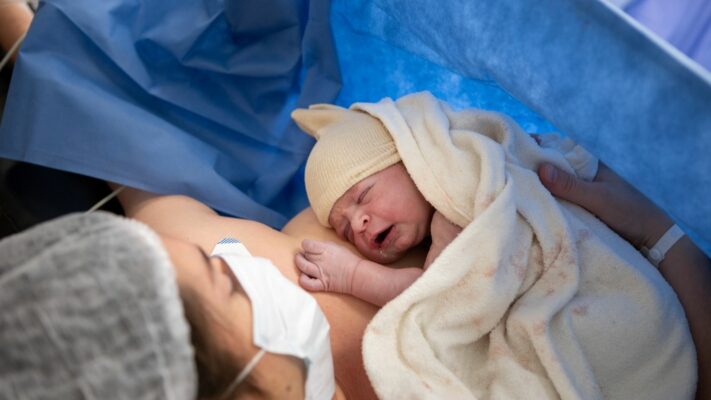
Childbirth is a process completed when the baby and then the placenta leave the uterus. During vaginal birth, uterine contractions, cervical dilation, and the baby’s movement through the birth canal are assessed together. In the first stage, the cervix dilates; the following stage involves the birth of the baby, followed by delivery of the placenta. The duration of these stages varies from person to person. Whether the mother has given birth before, the baby’s position, the characteristics of contractions, and maternal factors may affect the progress of labor. During childbirth, the mother’s general condition, the baby’s heart rate, and the progress of labor are monitored. Not every birth progresses at the same pace, and the initial circumstances may change during the process. Assessment of childbirth therefore relies on considering successive findings together rather than a single measurement or a particular time interval.
The mode of birth is considered through medical assessments related to the health of the mother and baby. A cesarean section is a surgical method in which the baby is delivered through incisions in the abdominal wall and uterus. It may be planned in advance or performed because of needs arising during labor. A placenta covering the birth canal, certain fetal positions, or particular problems involving the mother or baby may be considered when assessing the need for a cesarean section. Each method has its own characteristics, recovery process, and potential complications. Methods used for pain management also vary according to the mode of birth and clinical circumstances. Regional techniques such as epidural analgesia may be used to reduce labor pain. Pain control and the mode of birth are different concepts; the use of a pain-relieving method does not, on its own, mean that the birth is surgical.
The postpartum period is a process in which the mother’s body gradually reverses the changes of pregnancy and adapts to new physiological requirements. The puerperium generally refers to the first six weeks after childbirth; however, physical and emotional recovery may continue for longer. As the uterus shrinks, vaginal discharge and bleeding known as lochia may occur. The color and amount of this discharge change over time. Depending on the mode of birth, healing processes may involve the perineal region or a surgical incision. Temporary or longer-lasting changes may occur in pelvic floor function, bladder control, and bowel habits. Findings such as the pattern of bleeding, the characteristics of pain, body temperature, and general condition are assessed together to distinguish the usual recovery process from postpartum complications.
Breastfeeding and emotional adjustment are other interrelated aspects of the postpartum period. As milk production begins, breast fullness and tenderness may develop; the process of establishing breastfeeding can progress differently for each mother and baby. Changes in sleep patterns, caregiving responsibilities, and hormonal transitions affect the mother’s daily life. Temporary emotional fluctuations that may occur in the first days after childbirth are not the same as postpartum depression. Persistent low mood, loss of interest, intense anxiety, and substantial difficulty with daily functioning are among the findings considered in psychological assessment. Postpartum health assessment therefore encompasses psychological well-being as well as physical recovery. The return of menstruation and fertility may vary from person to person; because ovulation can occur before the first menstrual period, the absence of menstruation alone does not indicate that pregnancy is impossible.
Menopause and Women’s Health in Later Life
Menopause is the stage of life in which menstrual cycles permanently cease as ovarian follicular function declines. Natural menopause is defined retrospectively after twelve consecutive months without menstruation in the absence of another explanatory cause. The transition preceding this stage is called perimenopause. During the transition, hormone levels may fluctuate, and the frequency, duration, or amount of menstrual bleeding may change. The age at menopause varies from person to person; genetic characteristics, certain conditions, and medical interventions may affect its timing. Not every absence of menstruation indicates menopause; pregnancy, certain medications, and other hormonal conditions can also stop bleeding. Menopause is therefore assessed together with age, menstrual history, accompanying symptoms, and existing health conditions. Menopause is one of the natural biological transitions in a woman’s life.
Symptoms arising during the menopausal transition do not occur with the same intensity or in the same order for everyone. Hot flashes, night sweats, difficulty falling asleep, and mood changes are among the commonly encountered symptoms. Some individuals may experience difficulties with attention and concentration, joint symptoms, or changes in sexual desire. Hormonal effects on the tissues of the vagina and urinary tract may be associated with dryness, burning, discomfort during sexual intercourse, and certain urinary symptoms. The impact of these symptoms on daily life can range from mild discomfort to more pronounced impairment of functioning. Their duration also varies between individuals. However, not every symptom arising in this age group is attributed to hormonal changes. Other factors, such as sleep problems, thyroid disorders, psychological status, and medications, may also contribute to the clinical picture.
Women’s health in later life encompasses bone health, cardiovascular health, and pelvic floor function in addition to menopausal symptoms. Declining estrogen levels can accelerate bone loss; the risk of osteoporosis and fractures is assessed together with age, family history, previous fractures, and other factors. Body composition, blood pressure, and metabolic characteristics may also change over time. Weakening of the tissues supporting the pelvic floor may be associated with urinary incontinence or pelvic organ prolapse in some individuals. These problems do not occur in every woman and do not have a single cause. Previous births, aging, connective tissue characteristics, and coexisting conditions may play a role. Lifestyle characteristics such as nutrition, mobility, and sleep patterns also contribute to the overall health picture. This stage of women’s health is considered alongside previous health experiences.
There are various hormonal and nonhormonal approaches to addressing menopause-related symptoms. The characteristics of the approach used vary according to the type of symptoms, their effects on daily life, and the individual’s medical history. Systemic hormone treatments and local vaginal treatments do not have the same scope; the symptoms they target and the criteria used to assess them may differ. The suitability of hormone therapy is considered alongside factors such as whether the uterus is present and a history of certain conditions. Nonhormonal medications and certain psychological approaches may also be used for specific symptoms. Vaginal bleeding after menopause is not considered the resumption of a normal menstrual cycle and is a finding whose cause is investigated. The scope of screening and other health assessments is also shaped by age and individual risks. The approach during this period considers long-term health characteristics as well as symptoms.
Blog Posts

Hair Transplant Prices
Hair transplant prices vary depending on the technique to be used, the number of grafts, [...]
Read More
21
Jan
Jan
Most Preferred Countries for Plastic Surgery
Among the most preferred countries for plastic surgery, Turkey, South Korea, the United States, and [...]
Read More
21
Jan
Jan

Plastic Surgery Prices
Plastic surgery prices vary depending on the type of procedure, geographical location, the surgeon’s experience, [...]
Read More
21
Jan
Jan

Physical Therapy Prices
Physical therapy prices vary depending on the number of sessions to be applied, the treatment [...]
Read More
21
Jan
Jan

Dental Treatment Prices
Dental treatment prices vary depending on the type of procedure to be performed, the quality [...]
Read More
21
Jan
Jan
Most Preferred Countries for Dental Treatments
Among the most preferred countries for dental treatments are Turkey, Hungary, Mexico, and Thailand. These [...]
Read More
21
Jan
Jan